.svg)
.svg)

.svg)


Why Your Baton Rouge Attic Hits 140°F | Spray Foam Worx
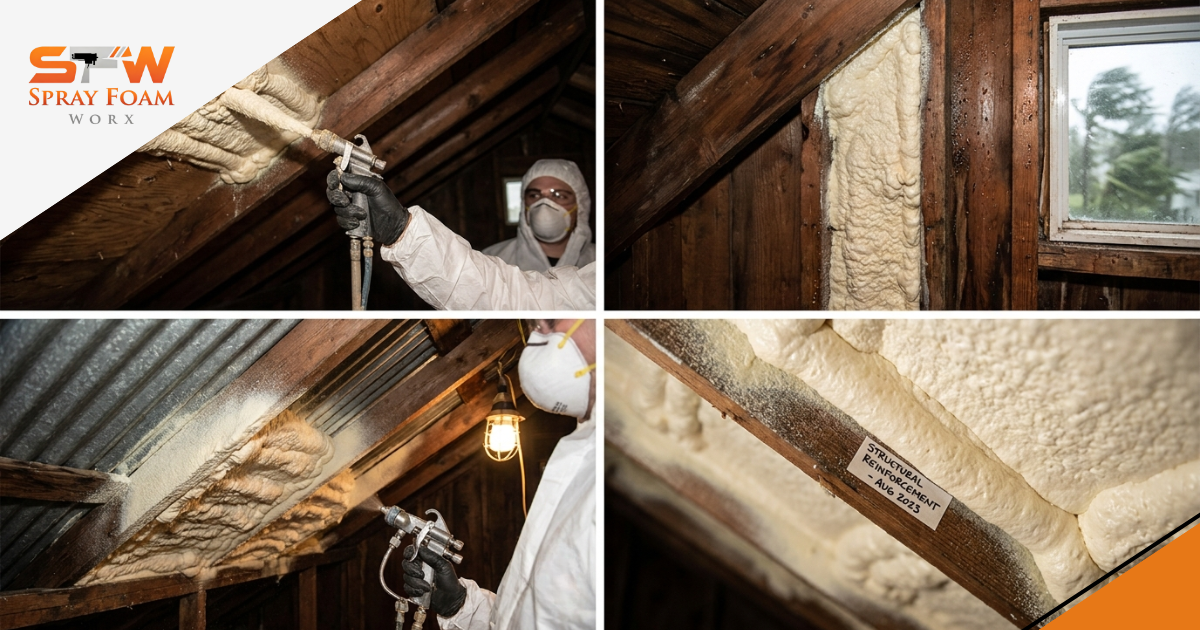
As summer settles into East Baton Rouge Parish, local homeowners face a hidden crisis right above their ceilings. On a typical 95°F Louisiana afternoon, solar radiation beats down on asphalt shingles, turning standard residential attics into literal ovens that easily reach 140°F or higher. This extreme heat buildup doesn't just stay in your roof space; it constantly forces its way down into your living areas. Upgrading to professional spray foam insulation in Baton Rouge is the most effective way to intercept this heat before it compromises your home's comfort and drives your power bills through the roof.
For homeowners entering the consideration phase of their home improvement journey, understanding how modern insulation handles extreme thermal pressure is key to making an informed choice.
The Threat of Radiant Heat in Louisiana Roofs
To understand why a local roof space gets so hot, we have to look at how thermal energy moves. Your roof is constantly bombarded by radiant heat from the sun. Standard roofing materials absorb this energy and radiate it downward into the attic space, heating up the air, structural framing, and floorboards.
When an attic reaches 140°F, it creates a massive thermal imbalance. Traditional insulation materials like fiberglass or cellulose only slow down this heat transfer temporarily. Eventually, that trapped heat migrates through your ceiling drywall, forcing your HVAC unit to work double-time to keep your family cool.
Investing in a high-performance application completely alters this dynamic by stopping radiant heat transmission at the absolute highest point of your structure.
Traditional Ventilation vs. Modern Thermal Design
Many homeowners assume that adding more roof vents will solve the issue. However, in our humid climate, traditional vents often pull in heavy, moisture-laden exterior air, which can cause condensation issues.
To see how advanced alternatives compare to traditional under-insulated spaces, you can learn more about blow-in traditional fiberglass insulation setups and understand why they struggle against intense radiant heat.
Transforming Your Roof Space Into a Conditioned Attic
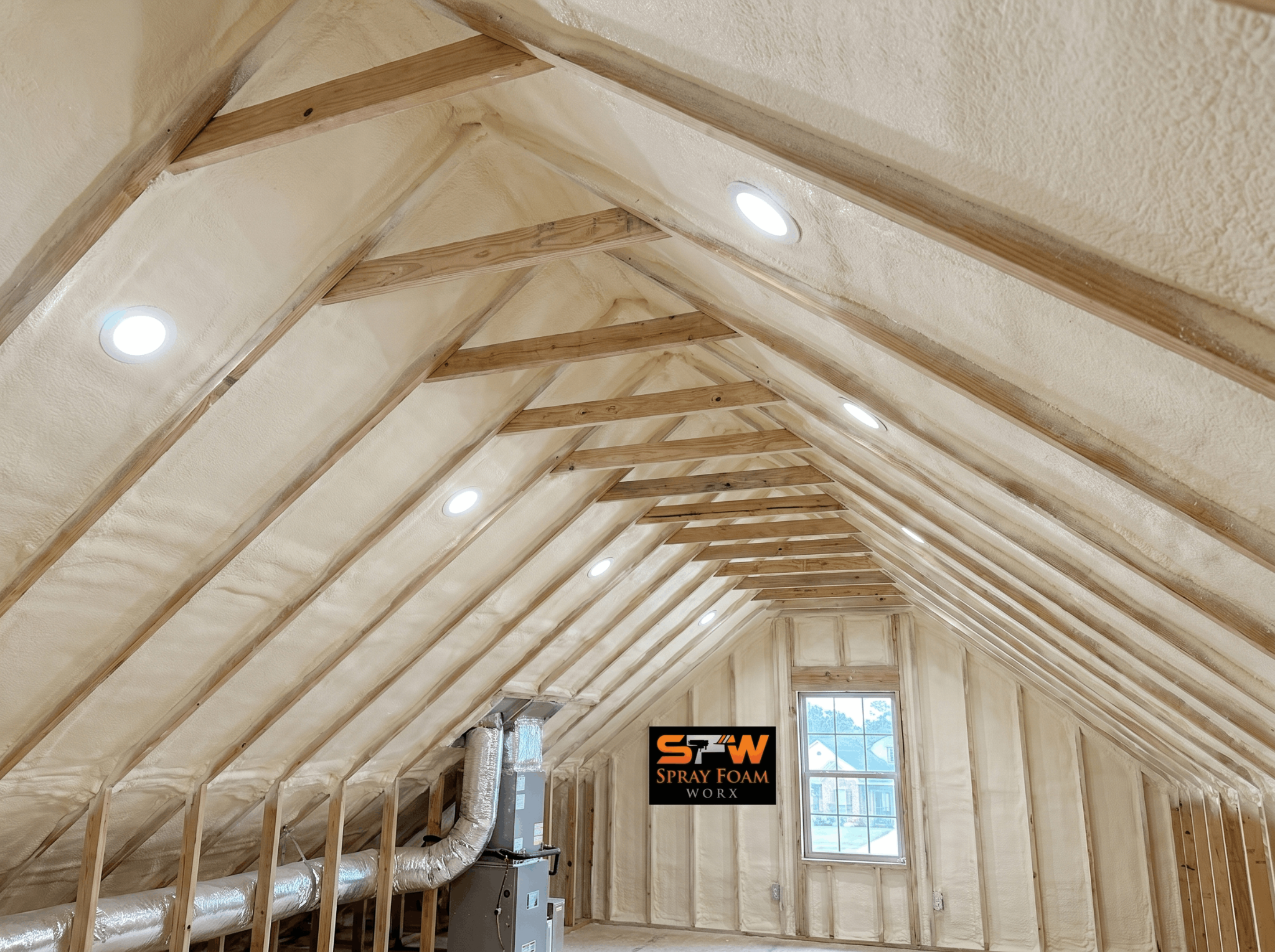
The most effective way to eliminate extreme roof temperatures is to convert the space into a fully conditioned attic. In a traditional setup, insulation is placed on the attic floor, leaving the air above it venting to the wild, humid outdoors.
When Spray Foam Worx seals a roof deck, we apply the insulation directly to the underside of the roof sheathing and along the rim joists. This seals off all exterior vents and moves the thermal boundary of your home from the attic floor directly to the roof line.
Key Operational Upgrades of a Sealed Attic Space
- Temperature Stabilization: By sealing out the sun, an attic that once hit 140°F will safely stay within 10 to 15 degrees of your main living spaces.
- Moisture Exclusion: Eliminating standard roof vents stops the relentless South Louisiana humidity from entering and condensing on your framing.
- Dust and Allergen Reduction: A sealed roof line prevents outdoor pollen, dust, and pests from settling above your ceilings.
To see why creating a conditioned envelope is the ultimate solution for extreme southern climates, explore the core reasons why spray foam has become the gold standard for luxury and historic home restorations alike.
Drastic HVAC Load Reduction and Energy Savings
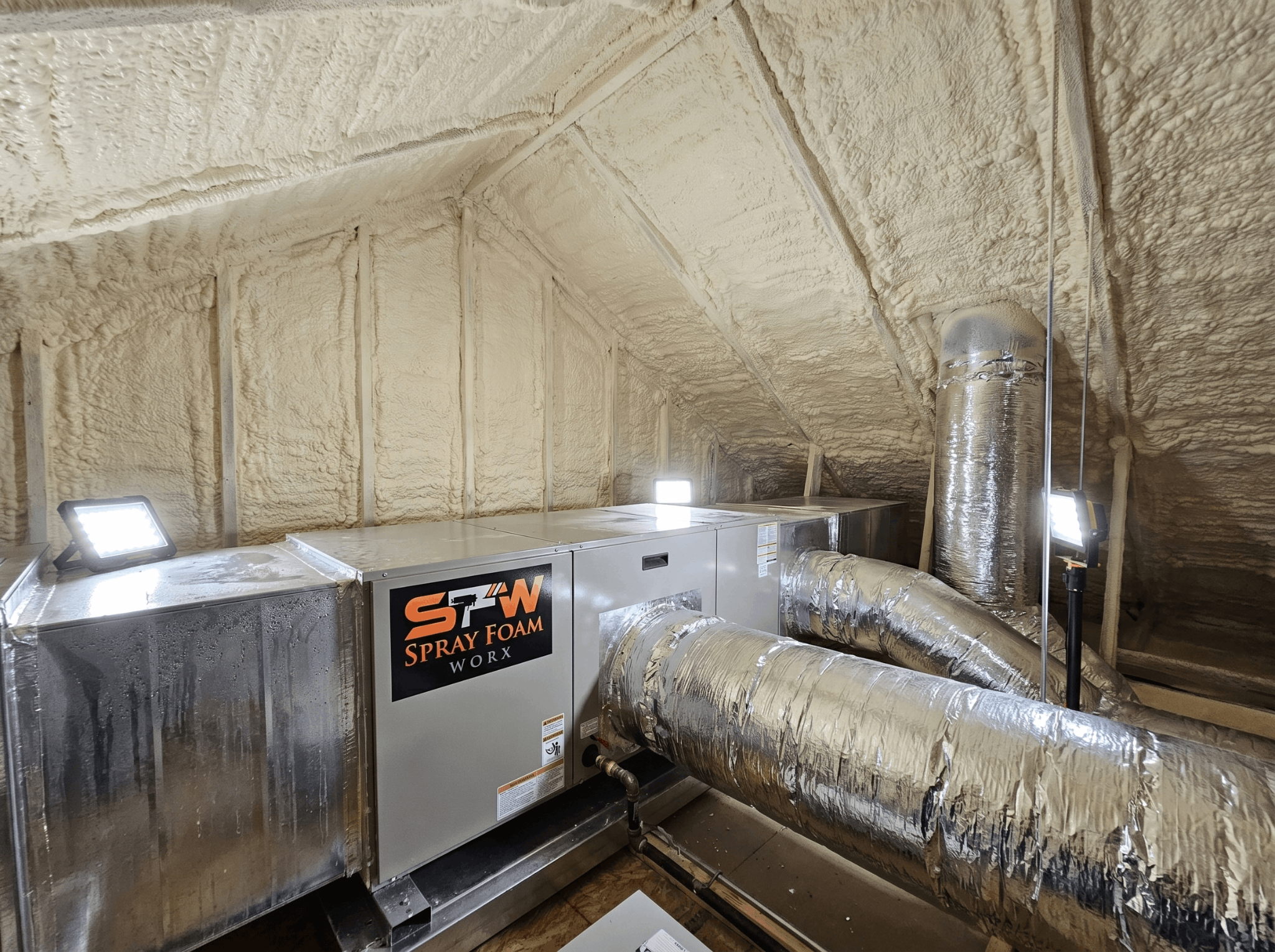
Your air conditioning system is likely the most expensive appliance in your home, and an overheating roof forces it to run at peak capacity for hours on end. Furthermore, in most Baton Rouge homes, the mechanical HVAC units and ductwork are located directly inside the blistering attic.
When your ductwork is buried in 140°F air, the cold air inside those ducts warms up before it ever reaches your vents. Your system has to run longer cycles just to keep up, accelerating mechanical wear and tear.
Maximizing Equipment Longevity
- Lower Environmental Stress: Moving your AC unit into a sealed, conditioned attic means it operates in a controlled 80°F environment rather than a brutal oven.
- Reduced Cycling: Because the home retains its cool air much longer, the compressor turns on less frequently, preserving its operational lifespan.
- Downsizing Options: When it comes time to replace your AC unit, a fully insulated home often allows you to install a smaller, less expensive system.
By achieving substantial HVAC load reduction, homeowners notice an immediate drop in monthly utility bills and protect their cooling systems from premature breakdown.
Open-Cell vs. Closed-Cell for Your Roof Deck
When planning your insulation upgrade, choosing the right material for your specific roof structure is a vital part of the consideration process. Spray Foam Worx offers both premium open-cell and closed-cell options tailored to your home's structural requirements.
High-Expansion Open-Cell Foam
For most residential roof decks in Louisiana, open-cell spray foam provides an exceptional balance of thermal performance and cost-effectiveness. It expands rapidly to fill deep cavities and offers superb sound-dampening qualities, which helps quiet the sound of heavy downpours. To see if this material fits your project, check out the specific features of open-cell spray foam insulation applications.
Rigid Closed-Cell Foam
If your home is located in an area vulnerable to high wind speeds or tropical weather, closed-cell foam is an incredibly durable choice. It cures into a dense, rigid barrier that adds structural wind-uplift resistance to your roof deck while acting as an impermeable water shield. Discover how this dense material maximizes structural safety by reading about closed-cell spray foam insulation benefits.
Preparing Your Roof Line for Professional Sealing
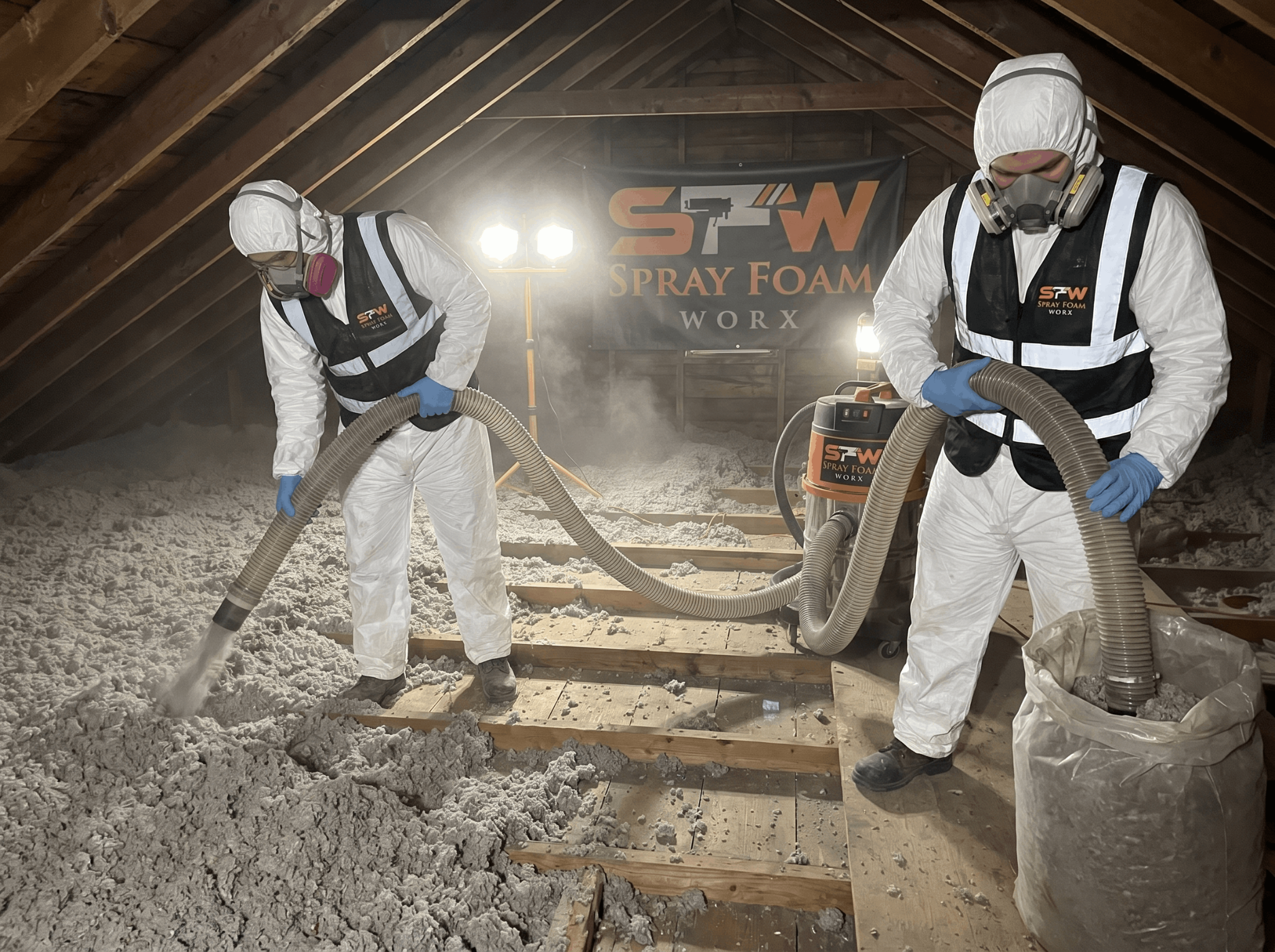
Transitioning your home to a high-performance thermal envelope requires clean, sound surfaces. If your attic currently contains old, dusty fiberglass batts or blown-in cellulose, those materials must be handled properly before the new foam can be applied.
Leaving old, degraded insulation on the floor of a newly sealed attic can trap stale odors and old dust. The Spray Foam Worx team carefully extracts old, inefficient insulation using high-powered vacuum equipment, ensuring a clean, pristine environment for your new system. Utilizing a professional vacuum insulation removal service guarantees that old allergens are permanently removed from your home.
Calculate Your Savings Instantly
Planning your home improvement budget shouldn't be guesswork. Use our interactive tool to estimate your project requirements and potential utility savings:
👉 Try the Spray Foam Worx Calculator & Quote Generator

FAQ
Can I spray foam over a radiant barrier?
It depends entirely on the type of radiant barrier installed and its physical condition. If your home has a foil sheet draped over the rafters, applying spray foam directly over it can trap air pockets and compromise the chemical bond. However, if it is a rigid radiant barrier OSB sheathing, high-quality spray foam insulation in Baton Rouge can often be installed directly onto the substrate. The Spry Foam Worx team will evaluate your roof structure during the initial inspection to determine the safest method.
Does insulation block radiant heat?
Traditional insulation materials like fiberglass batts and blown-in cellulose do not actually block radiant heat; they merely slow down the rate of conductive heat transfer as it migrates downward into your home. On the other hand, high-performance spray foam establishes a completely solid, continuous thermal boundary right at the roofline. By creating a sealed conditioned attic, it successfully prevents intense radiant energy from ever overheating the air space above your ceilings.
Which is better, radiant barrier or spray foam?
Spray foam insulation provides a much more comprehensive thermal defense system for Southern homes compared to a standalone radiant barrier. While a radiant barrier only reflects a portion of radiant heat, it cannot prevent air infiltration, stop humidity transfer, or offer real R-value thermal resistance. Spray foam delivers a complete air seal, blocks moisture, and blocks massive heat transfer simultaneously, making it the superior option for maximizing long-term energy savings.
What spray foam can withstand heat?
Both premium open-cell and closed-cell polyurethane spray foams are chemically engineered to easily handle the extreme high-heat cycles typical of Louisiana summer roofs. Once these architectural products fully cure, they remain completely stable and effective at temperatures far exceeding the normal 140°F attic threshold. Spry Foam Worx uses certified, top-tier chemical formulations designed specifically to maintain structural integrity and thermal performance under intense, long-term environmental stress.
Where should you not use spray foam?
Spray foam should never be applied directly over active, uncorrected roof leaks, electrical fire hazards, or completely decayed, structurally compromised wood framing components. It should also be kept away from older, high-heat producing recessed light fixtures that are not explicitly rated for direct insulation contact. Our professional installation technicians carefully inspect every square inch of your roof deck beforehand to isolate and bypass these sensitive areas safely.
Does heat melt spray foam?
No, the professional polyurethane spray foam used in modern home insulation projects will not melt under normal environmental conditions or extreme attic heat. Unlike certain plastic materials, cured spray foam is a thermoset plastic polymer, meaning it undergoes a permanent chemical cross-linking reaction that cannot be reversed by solar heat. It will safely retain its rigid shape, solid structure, and high thermal performance properties even during the hottest summer days.