.svg)
.svg)

.svg)


Insulating Metal Buildings for the Louisiana Heat
When it comes to insulating metal buildings, the stakes are higher in the South than anywhere else. Whether you own a backyard workshop in Baton Rouge or a massive commercial warehouse in Lafayette, an uninsulated steel structure is essentially an oven in the summer and a refrigerator in the winter.
Without the right insulating metal buildings strategy, your property is at risk for "interior rain" (condensation), structural rust, and sky-high utility bills. Here is why choosing the right material is the most important investment you can make for your steel shop or barn.
Why Insulating Metal Buildings is Mandatory in the Gulf Coast
Steel is a high-performance conductor of heat. Without a barrier, your building’s skin absorbs solar energy and radiates it directly into your workspace.
Controlling Heat Radiation
In the humid Louisiana climate, radiant heat transfer is relentless. Proper insulating metal buildings acts as a thermal break, preventing the sun’s energy from turning your shop into a sauna.
- Thermal Resistance: High-quality insulation stops heat transfer in its tracks.
- Employee Comfort: For commercial shops, insulating metal buildings improves worker productivity by keeping temperatures stable.
- Equipment Protection: High heat can damage sensitive tools, vehicle paint, and electronics stored inside.
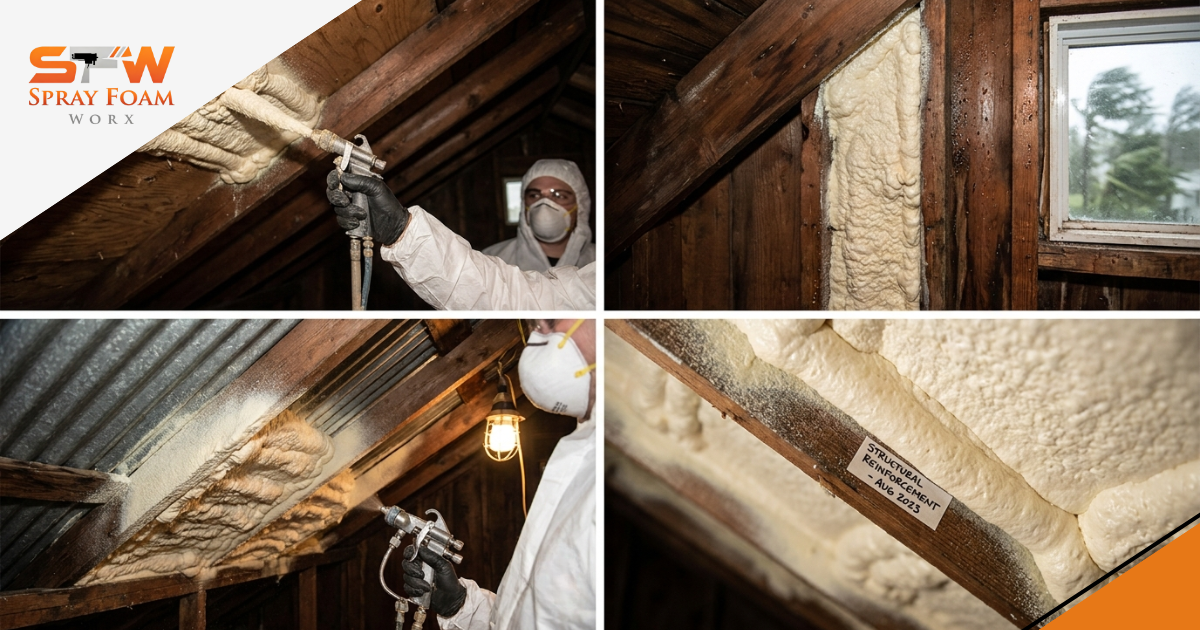
- Old Insulation Issues: If you are upgrading an existing building, we provide professional vacuum insulation removal to clear out old, ineffective materials before installing a new system.
Stopping the "Interior Rain": Condensation Control
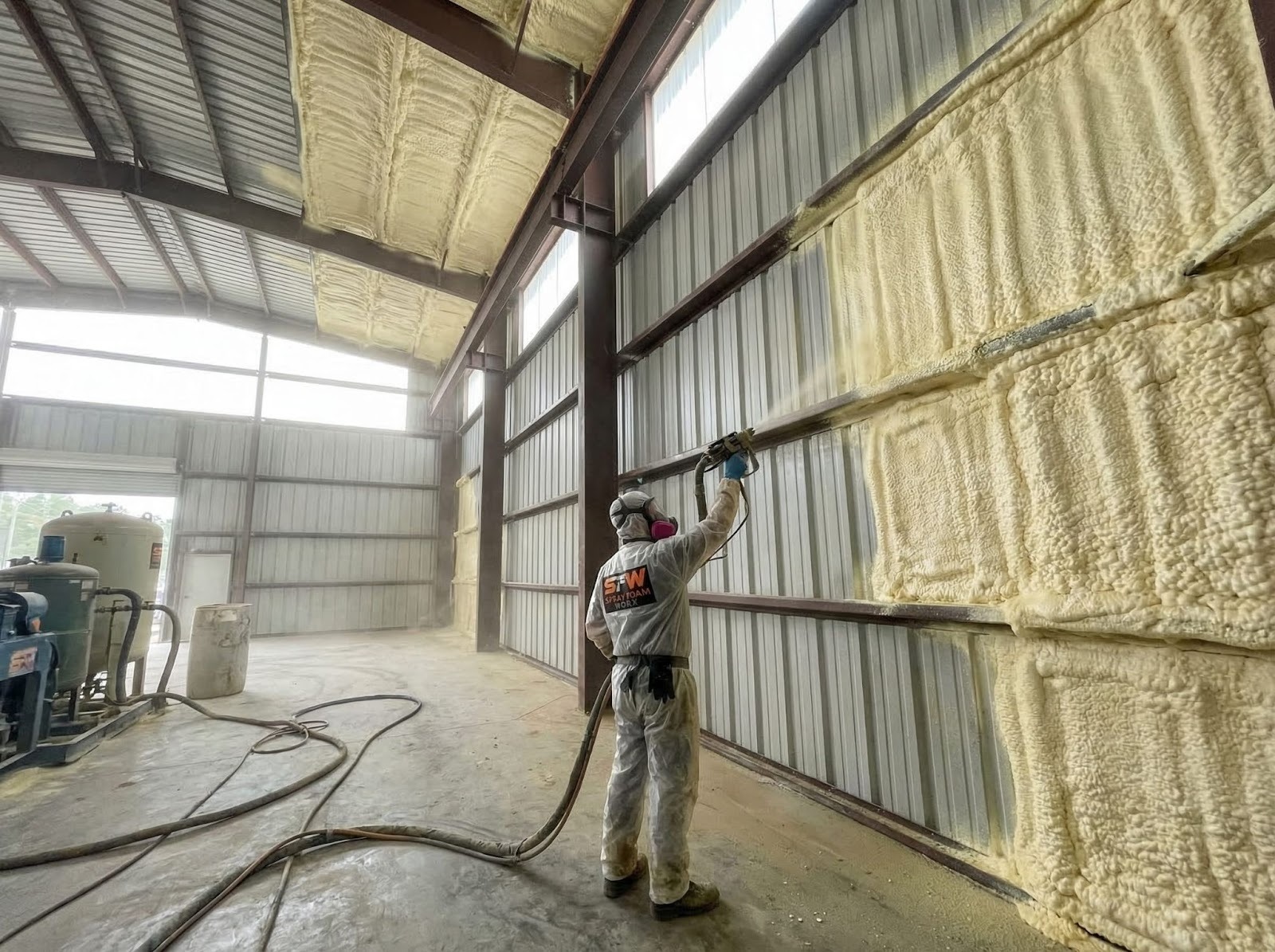
One of the biggest headaches for steel building owners is condensation. When warm, humid Baton Rouge air hits a cool metal surface, it liquefies. This leads to dripping ceilings that can ruin your inventory and rust your frame.
How Insulating Metal Buildings Prevents Moisture
- Eliminating the Dew Point: By applying foam directly to the metal, you eliminate the gap where air and steel meet.
- Airtight Sealing: While some budget projects might use blown-in or traditional fiberglass insulation, these materials often sag and trap moisture against the metal.
- Seamless Barrier: Modern insulating metal buildings adheres permanently, creating a seamless moisture barrier that prevents rust.
Agricultural Benefits of Insulating Metal Buildings
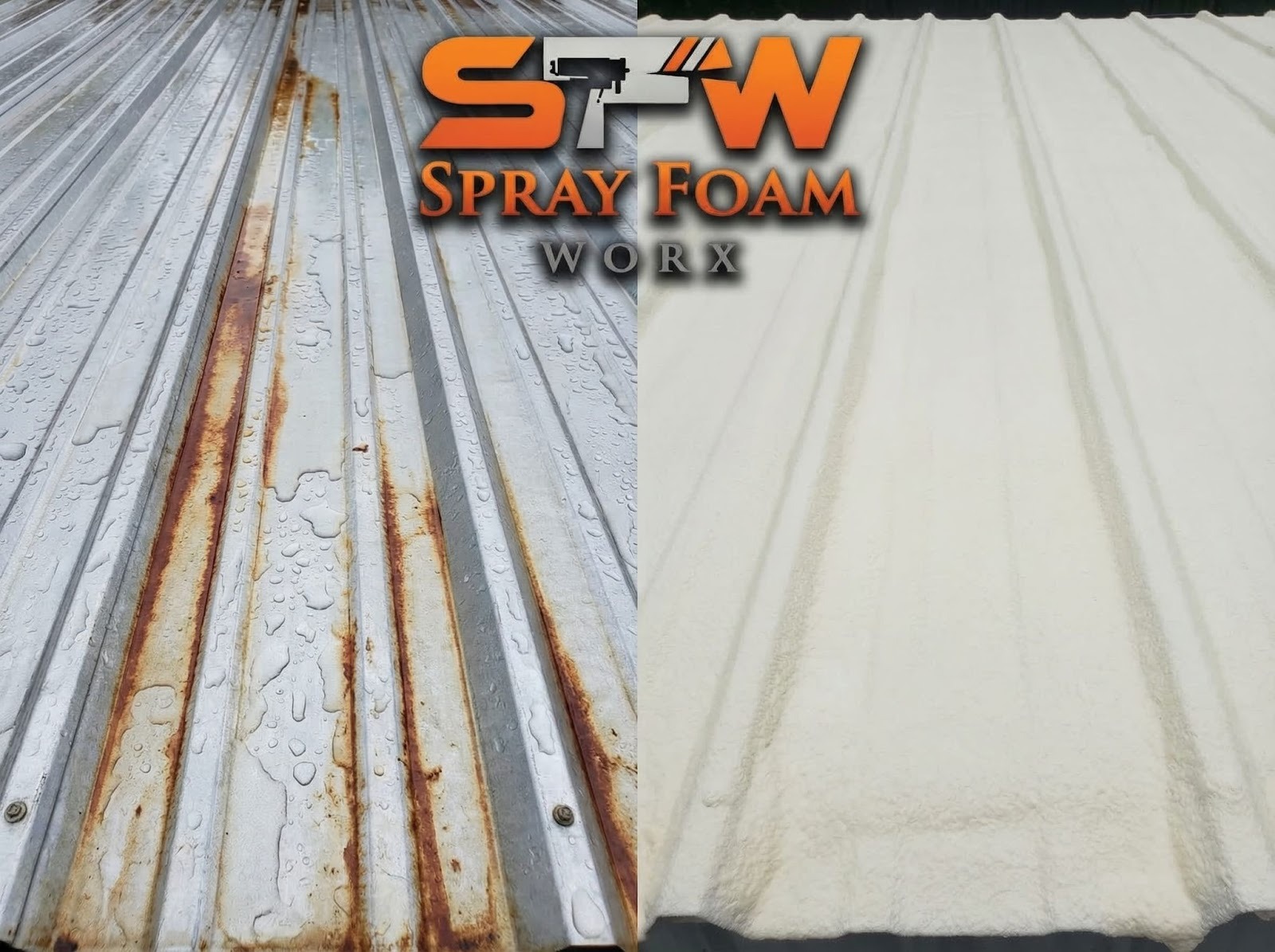
For our clients in the agricultural sector, insulating metal buildings isn't just about comfort—it’s about the bottom line. Whether you are housing livestock or storing expensive farm equipment, the environment matters.
1. Livestock Health and Productivity
Animals kept in temperature-regulated environments show lower stress levels and higher productivity. Insulating metal buildings helps maintain a consistent climate, which is vital during extreme Louisiana heatwaves.
2. Grain and Feed Storage
Moisture is the enemy of stored feed. By using insulating metal buildings to control the internal climate, you prevent mold and spoilage that occurs in fluctuating temperatures.
3. Pest and Rodent Deterrence
Traditional insulation is a favorite nesting material for rodents. Modern spray foam insulating metal buildings is dense and lacks "nesting value," helping keep your agricultural shops pest-free.
Choosing the Best Insulating Metal Buildings
Not all insulation is created equal. Depending on your building's design and your budget, there are two primary spray options:
- Open Cell Spray Foam Insulation: Great for soundproofing and filling deep cavities in climate-controlled shops.
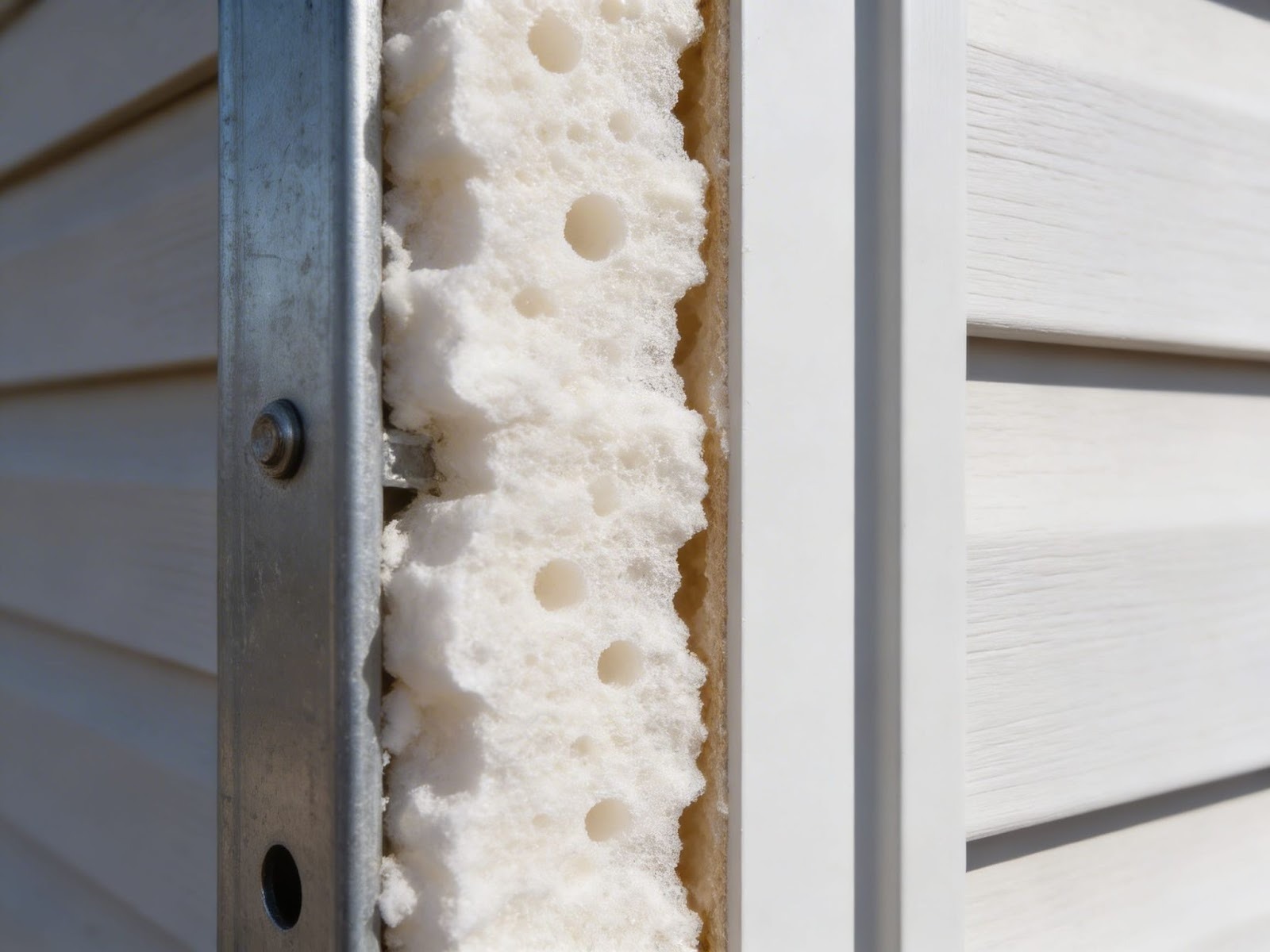
- Closed Cell Spray Foam Insulation: The gold standard for insulating metal buildings. It acts as a vapor barrier, adds structural rigidity to the steel panels, and provides the highest R-value per inch.
Reach Out to Spray Foam Worx for a Professional Quote
Don't let your metal building become a liability. From condensation control to massive energy savings, our team specializes in high-performance insulating metal buildings across Baton Rouge and the surrounding parishes.
📞 Call Spray Foam Worx Today +1-318-235-8116
FAQ
Q1: What is the best insulation to use in a metal building?
Closed-cell spray foam is the gold standard for metal buildings. Unlike fiberglass, it creates a seamless air and vapor barrier that sticks directly to the steel, preventing the moisture issues common in the South.
Q2: How thick is metal building insulation?
For most shops and garages, 2 inches of closed-cell spray foam is the sweet spot. This provides an R-value of approximately R-14, which is enough to stop condensation and significantly reduce radiant heat.
Q3: Do you need to insulate a metal building?
Yes. Uninsulated metal buildings act as conductors, leading to extreme internal temperatures and damaging condensation. Insulation is necessary to protect your structure from rust and your contents from heat damage.
Q4: Is rockwool insulation good for metal buildings?
While Rockwool offers excellent fire resistance and sound dampening, it does not provide the airtight seal or moisture barrier required for metal. Spray foam is generally preferred to prevent "interior rain" caused by temperature differentials.
Q5: Which type of insulation is most effective?
In terms of thermal performance per inch and moisture control, closed-cell spray foam is the most effective. It offers the highest R-value and adds structural integrity to the metal panels, which is a major benefit during high-wind events.