.svg)
.svg)

.svg)




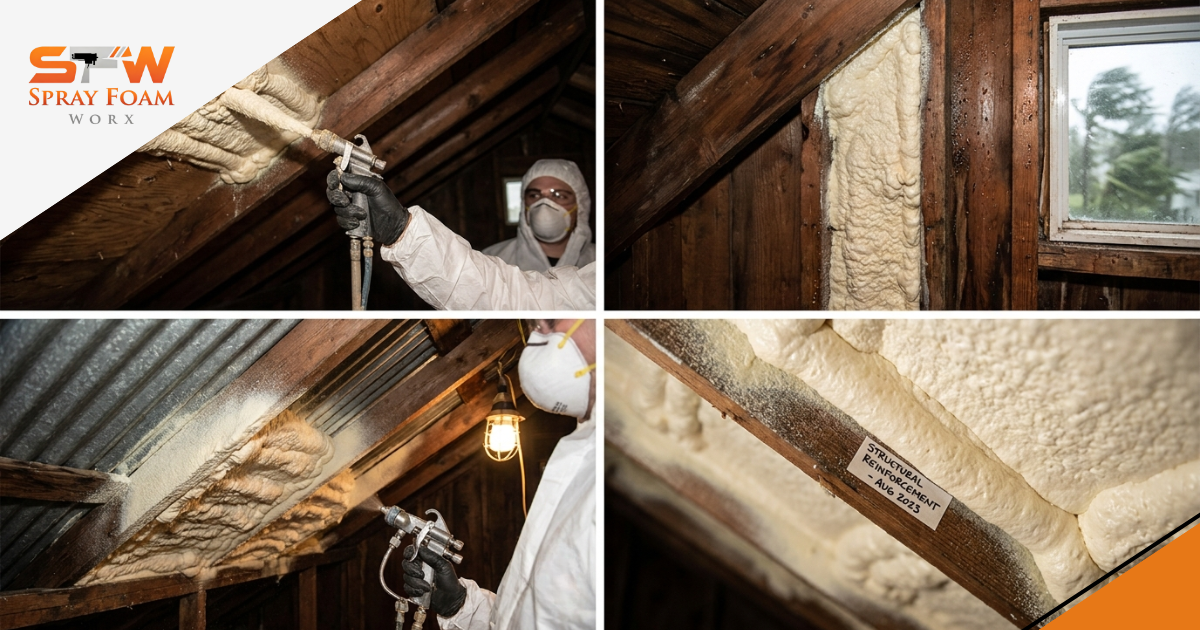
Sealing Louisiana Crawl Spaces Before Summer Humidity Hits
Implementing professional crawl space insulation Louisiana solutions is the most effective strategy to safeguard your home before peak seasonal dampness sets in. As the regional heat builds toward the intense summer months, homeowners face a familiar foe: oppressive humidity. While we often focus on keeping our living spaces cool, a major threat silently develops right beneath our feet. Moisture originating from the soil can quickly turn an unprotected crawl space into a breeding ground for wood rot, structural damage, and poor indoor air quality.
For properties throughout the Gulf South—from the coastal moisture of New Orleans and Lafayette to the historic neighborhoods of Baton Rouge and Shreveport—traditional insulation methods simply cannot stand up to the local climate. If you want to maintain a comfortable, healthy, and energy-efficient home this year, understanding how to manage subfloor moisture is the vital first step.
Why Gulf Coast Subfloors Need a Specialized Approach
The climate in Louisiana presents unique challenges that standard building practices from drier regions fail to address. High water tables, frequent heavy rain, and relentless atmospheric moisture mean that open, uninsulated crawl spaces are constantly exposed to excessive dampness.
According to field studies compiled by the U.S. Department of Energy (DOE), the average daily relative humidity (RH) inside traditional vented crawl spaces in places like Baton Rouge frequently exceeds 80% (Malkin-Weber et al., 2008). When warm, humid air enters a cool crawl space beneath an air-conditioned home, condensation rapidly forms on wood framing, subfloors, and metal ductwork. Over time, this chronic moisture exposure leads to sagging floors, warped wood, and high indoor humidity levels.
By prioritizing advanced encapsulation, homeowners can create a permanent barrier against the elements, stabilizing the environment underneath the structure before the worst summer weather arrives.
The Problem with Traditional Fiberglass Batt Insulation
For decades, traditional fiberglass batts were the default choice for underfloor insulation. However, in our humid Southern climate, fiberglass acts like a giant sponge. It absorbs airborne moisture, becomes heavy, sags away from the subfloor, and eventually falls down entirely.
To see how advanced alternatives compare to these outdated materials, you can learn more about blow-in traditional fiberglass insulation options and why they are best kept out of damp crawl spaces.
The Role of Advanced Ground Vapor Barriers
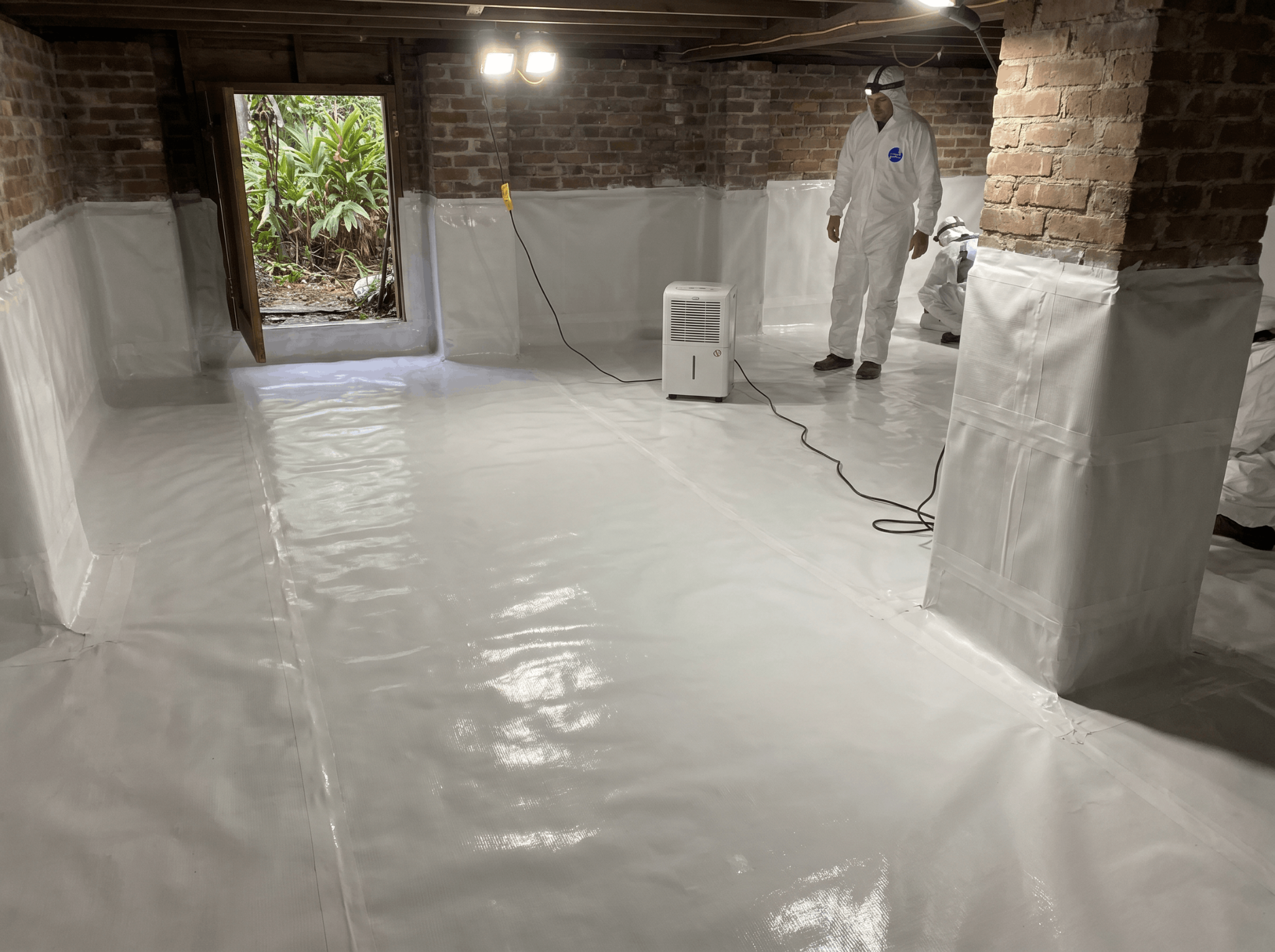
A critical component of any effective crawl space remediation strategy is the installation of a high-performance ground vapor barrier. The soil beneath your home continuously releases moisture vapor into the air through a process called capillary rise.
Without a heavy-duty barrier, this moisture rises unchecked, soaking into your wooden floor joists. A durable vapor barrier covers the entire crawl space floor, effectively stopping earth-born moisture from evaporating into the structure.
Why Professional Grade Encapsulation Matters
Thin plastic sheets from a local hardware store easily tear, puncture, and degrade over time. Spray Foam Worx utilizes thick, puncture-resistant, reinforced poly vapor barriers that are securely fastened and sealed along the seams and crawl space walls. This creates a continuous, unbroken shield that keeps ground moisture completely isolated from your home's structural components.
Closed-Cell Foam: The Ultimate Shield for Subfloor Protection
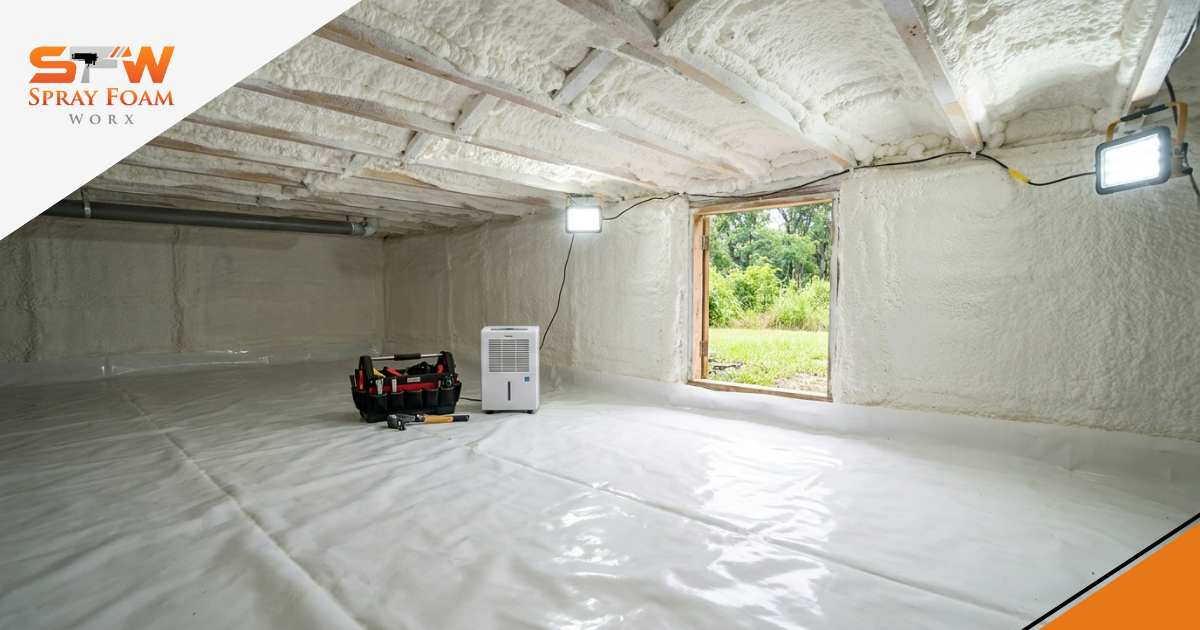
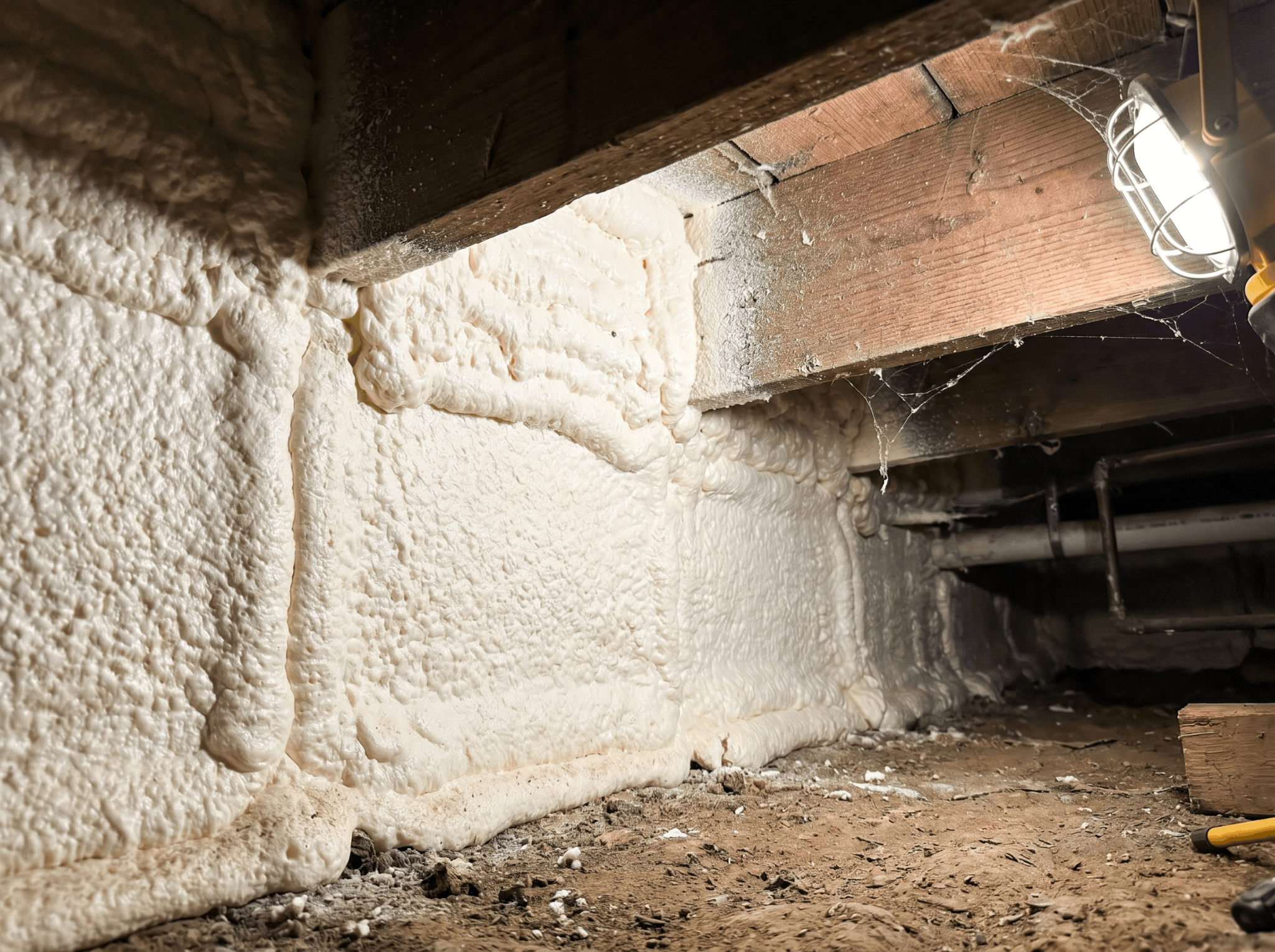
When it comes to selecting the insulation material itself, standard options fall short. The definitive solution for subfloor protection in damp environments is professional closed-cell spray foam.
Unlike open-cell alternatives, closed-cell foam is completely dense, water-resistant, and acts as both a premium thermal insulation and an air/vapor barrier. When applied directly to the underside of your subfloor or along the crawl space walls, it expands to form a seamless, monolithic seal.
Material Performance Comparison
To help you understand how different crawl space treatments function, here is a breakdown of how traditional materials stack up against advanced moisture-management solutions:
Key Structural Benefits of Closed-Cell Foam
- Rejects Water Accumulation: Closed-cell foam does not absorb water, making it ideal for areas prone to high humidity or seasonal flooding.
- Fills Every Gap: It expands into tiny cracks, plumbing penetrations, and rim joists, stopping humid air from leaking into your living areas.
- Adds Structural Strength: Because of its dense, rigid nature, it glues the framing components together, increasing the overall strength of your flooring system.
To see why this specific material excels so well in hostile, damp environments, explore the details behind closed-cell spray foam insulation applications.
Achieving Mold Prevention in Humid Environments
The most destructive consequence of leaving a crawl space exposed to summer humidity is the rapid growth of mold and mildew. Mold thrives in dark, damp environments where wood provides an abundant food source.
Once mold takes hold beneath your home, it degrades the wood framing and releases microscopic spores into the air. Due to the "stack effect"—where warm air rises and escapes through the roof, drawing air from the bottom of the house upward—up to 50% of the air you breathe on the first floor originates in your crawl space.
Effective stabilization focuses heavily on structural mold prevention. By combining a heavy-duty vapor barrier with closed-cell spray foam, you eliminate the high humidity levels that mold requires to survive, drastically improving your family's indoor air quality.
Restoring Defective Subfloors: From Demolition to Protection
If your crawl space has already suffered from years of moisture exposure, traditional insulation may be moldy, sodden, or falling down. Before applying a modern, high-performance thermal barrier, the old, contaminated materials must be completely cleared out.
The Prep Work: Old Insulation Removal
Leaving failing fiberglass or wet cellulose underneath your home traps moisture against the wood, accelerating rot. Spray Foam Worx handles the entire preparation process, safely extracting old, degraded materials to give your crawl space a clean slate. For homes from Shreveport to Lafayette with severely contaminated subfloors, performing a thorough vacuum insulation removal is an excellent way to sanitize the space before the new closed-cell foam is sprayed.
Long-Term Benefits of Upgrading Your Foundation
Investing in professional crawl space remediation provides significant structural and financial advantages that look after your home for decades to come.
The Comprehensive Protection Process
- Debris and Insulation Removal: The team extracts all failing traditional insulation, trash, and mold-retaining organic matter from the underfloor zone.
- Surface Stabilization: Wood components are evaluated, dried, and treated if mold activity is present to ensure a clean structural foundation.
- Barrier System Deployment: Heavy-duty vapor barriers and high-performance closed-cell foam are meticulously applied to seal the space permanently.
Stable Indoor Temperatures and Lower Utility Bills
When humid air is blocked from entering through the floorboards, your air conditioning system doesn't have to work nearly as hard to dehumidify and cool your living spaces. This leads to a more consistent indoor climate, eliminating cold or hot spots on your floors.
According to data published by the Office of Scientific and Technical Information (OSTI), households utilizing closed, sealed crawl space systems realize an average of 15% or greater annual energy savings on space heating and cooling compared to traditional vented basements and crawl spaces (Malkin-Weber et al., 2008).
Sealing these gaps with professional spray foam stops conditioned indoor air from escaping, reflecting positively on your power bills. For a broader look at how advanced foam applications protect your entire home envelope, read about why spray foam has become the gold standard for modern energy efficiency.
Protect Your Home with Spray Foam Worx
Do not wait until the oppressive summer heat and humidity take a toll on your home's structural integrity and indoor comfort. Taking proactive action now ensures your crawl space remains dry, stable, and completely free from mold all year long. The expert team at Spray Foam Worx has the specialized regional experience, certified technicians, and advanced materials needed to seal your crawl space flawlessly.
Calculate Your Savings Instantly
Planning your home improvement budget shouldn't be guesswork. Use our interactive tool to estimate your project requirements and potential utility savings:
👉 Try the Spray Foam Worx Calculator & Quote Generator

Frequently Asked Questions
Is sealing your crawl space worth it?
Yes, sealing your home's foundation is highly beneficial, especially when addressing regional moisture challenges with high-quality crawl space insulation Louisiana installations. Unprotected spaces allow damp air to rot subfloor framing and trigger mold growth, which damages home value and structural stability. By investing in professional sealing, you permanently lower electricity costs, protect your subfloor framing, and create a healthier indoor environment for your family.
What is the average cost to seal a crawl space?
The total investment required to completely seal a crawl space can vary substantially based on the overall size of your home, the existing layout, and whether old material removal is required. While simple ground barriers are more accessible, a full professional encapsulation system utilizing closed-cell foam generally requires a higher upfront financial layout. However, the long-term return on investment via lower monthly electric bills and avoided structural repairs makes it highly cost-effective.
How do you seal a crawl space?
The professional process begins by clearing out all debris, old damaged insulation, and treating any pre-existing fungal growth on the structural wood. Next, a heavy-duty, puncture-resistant poly vapor barrier is carefully laid across the dirt floor and secured tightly up the perimeter masonry walls. Finally, high-performance closed-cell spray foam is applied to the rim joists and subfloor dependencies to establish a seamless, long-lasting environmental block.
Should a crawl space door be sealed?
Yes, ensuring that your crawl space access door is completely airtight is an absolutely critical step in the home isolation process. If you insulate the floorboards and lay vapor barriers but leave a loose access hatch, hot summer humidity will continuously flood the underground zone. Spray Foam Worx installs custom-fitted, weather-stripped, and insulated access doors that prevent exterior air and pests from bypassing your protective thermal envelope.
What are the negatives to crawl space encapsulation?
The main drawbacks are the initial upfront cost and the reality that it requires skilled professional installation to avoid trapping moisture inside the structural framing. Furthermore, once a crawl space is completely encapsulated, any hidden plumbing leaks will remain trapped inside unless a proper drainage or monitoring system is established. Choosing a certified team like Spray Foam Worx ensures these potential issues are thoroughly addressed during design.